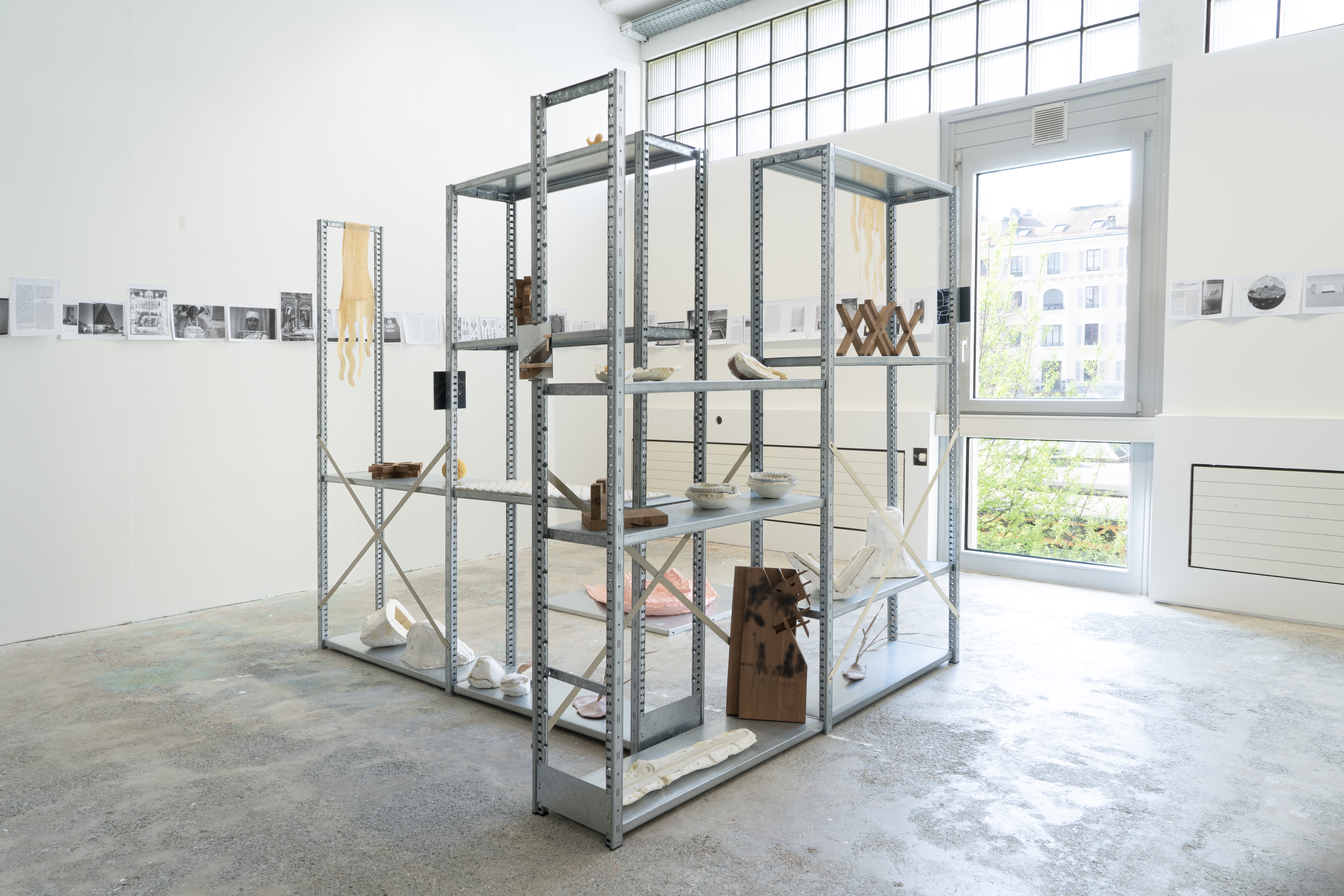
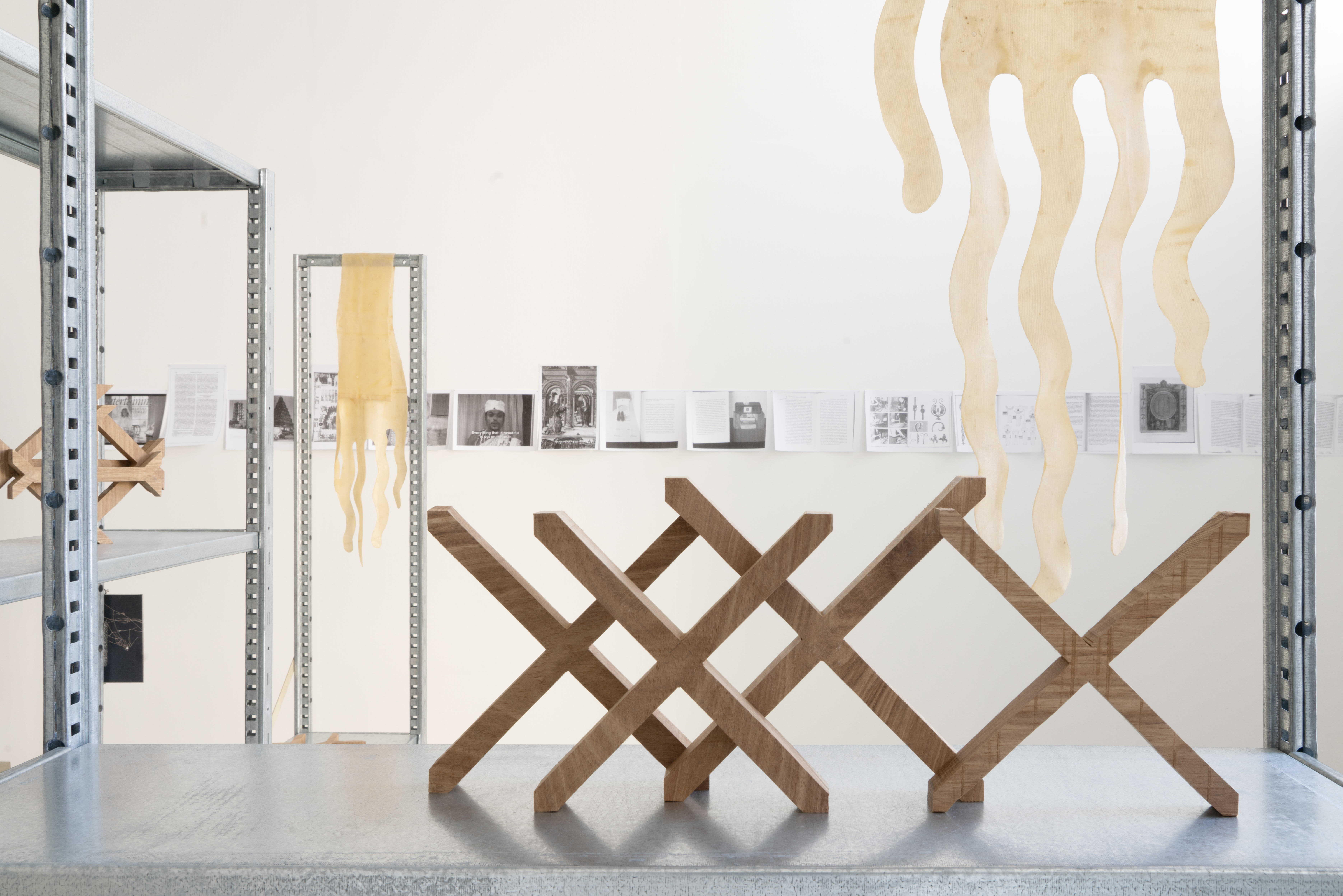
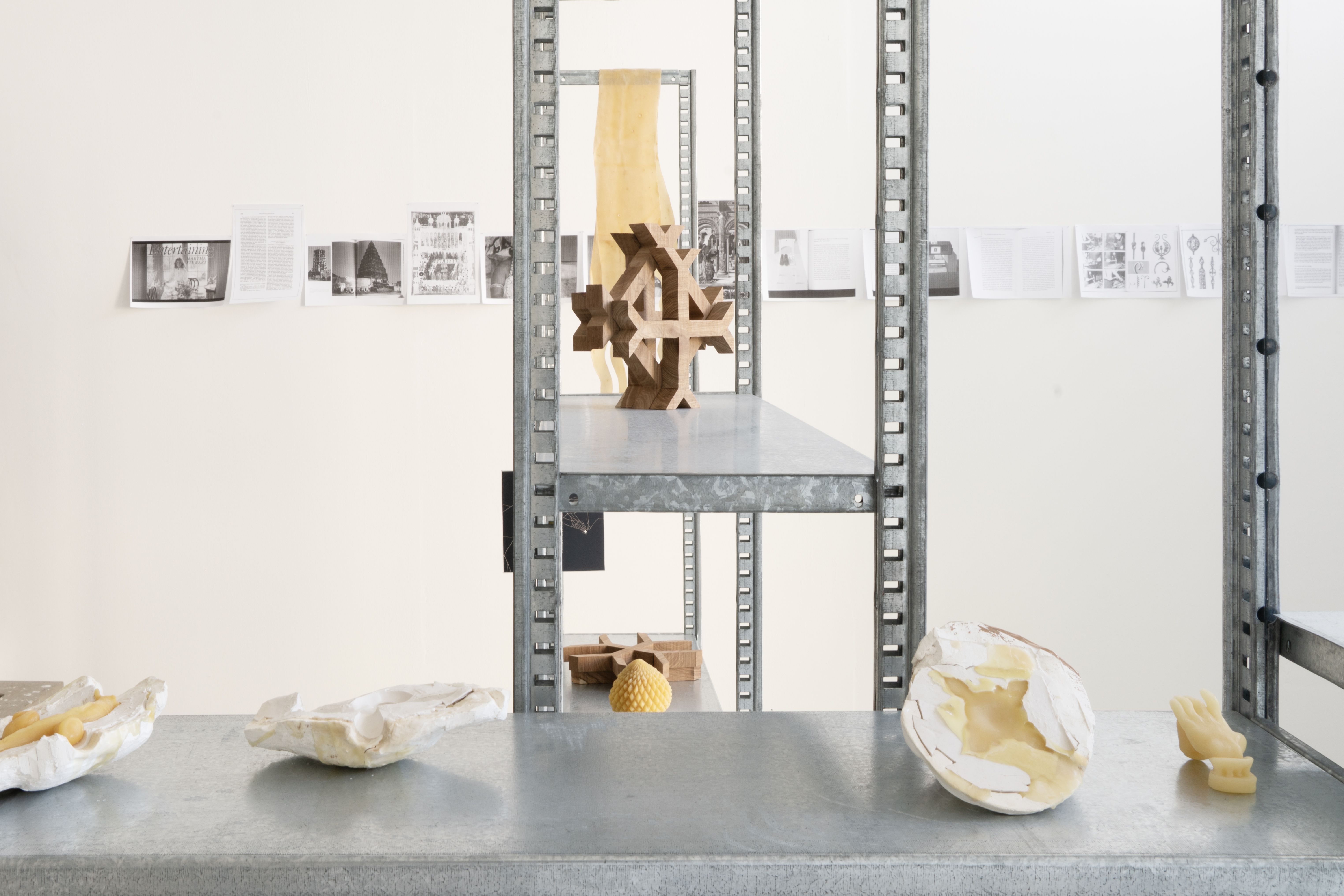
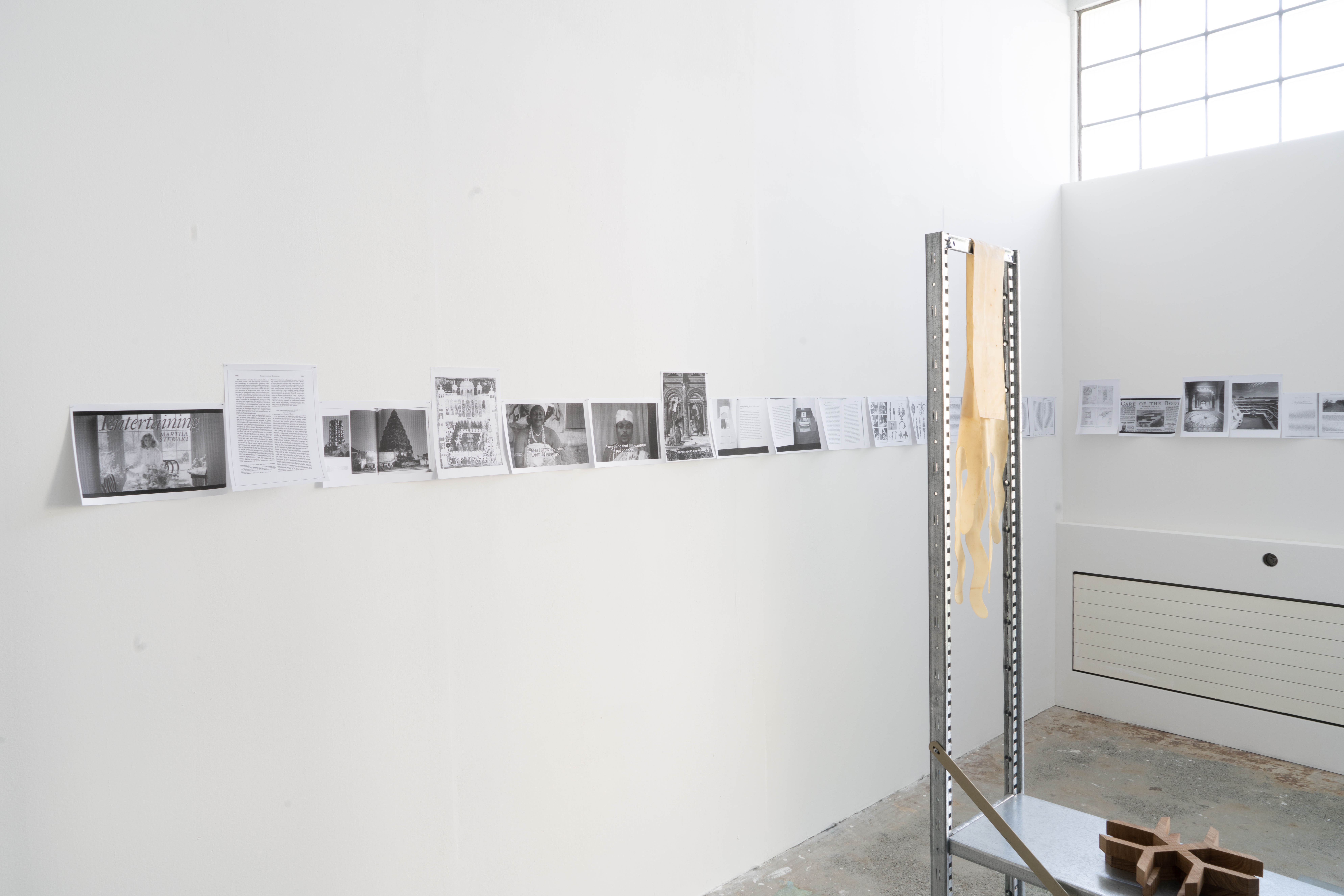
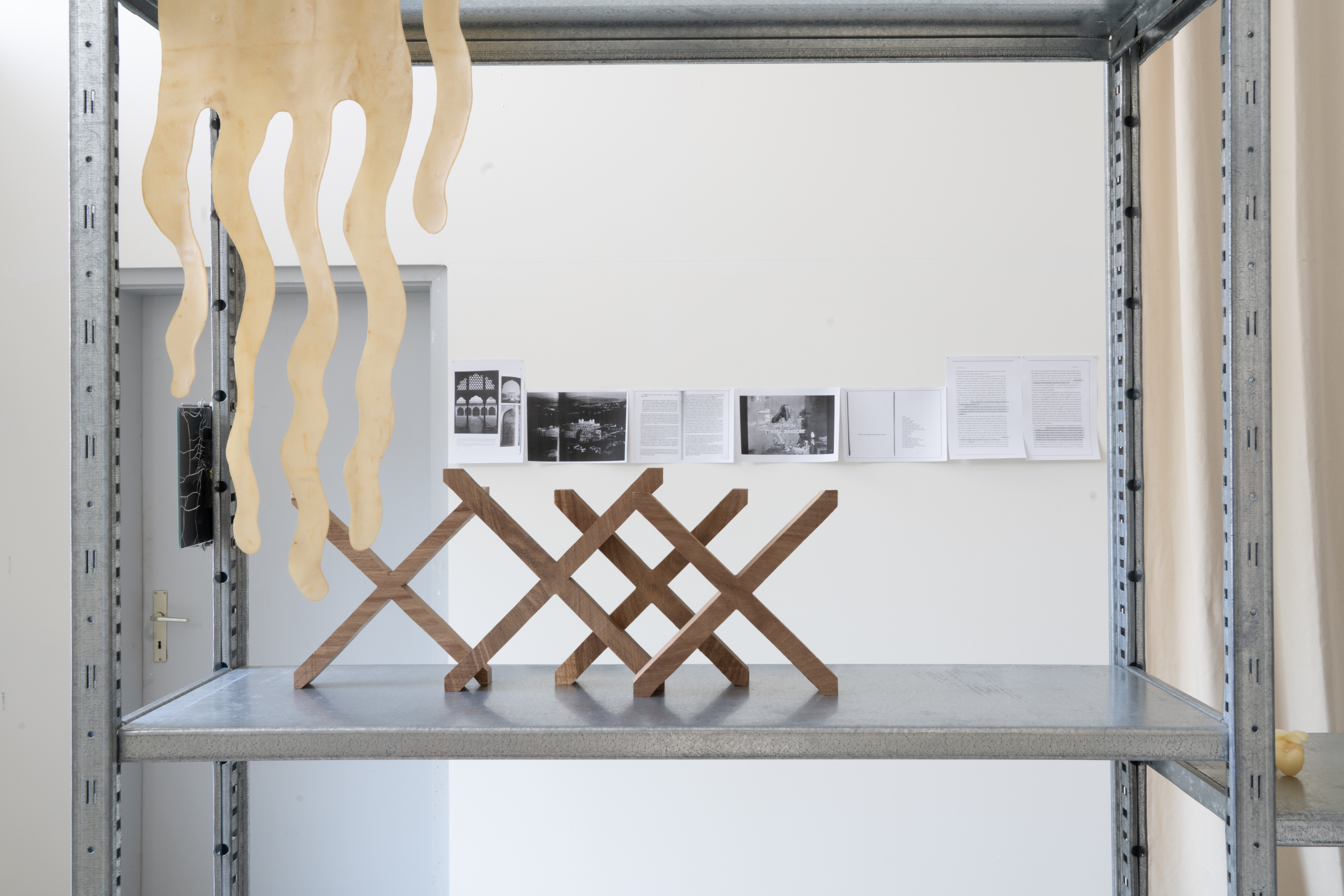
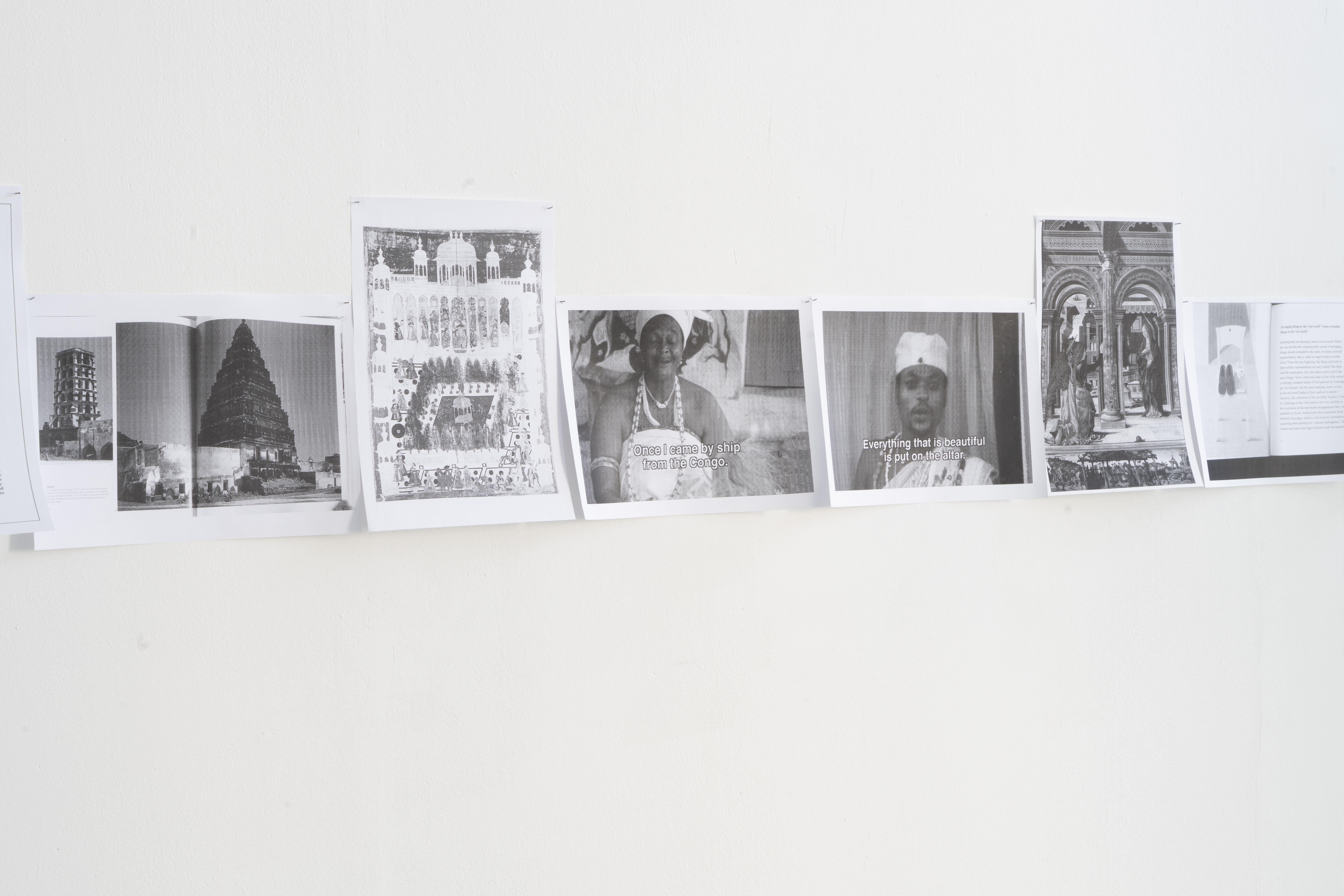
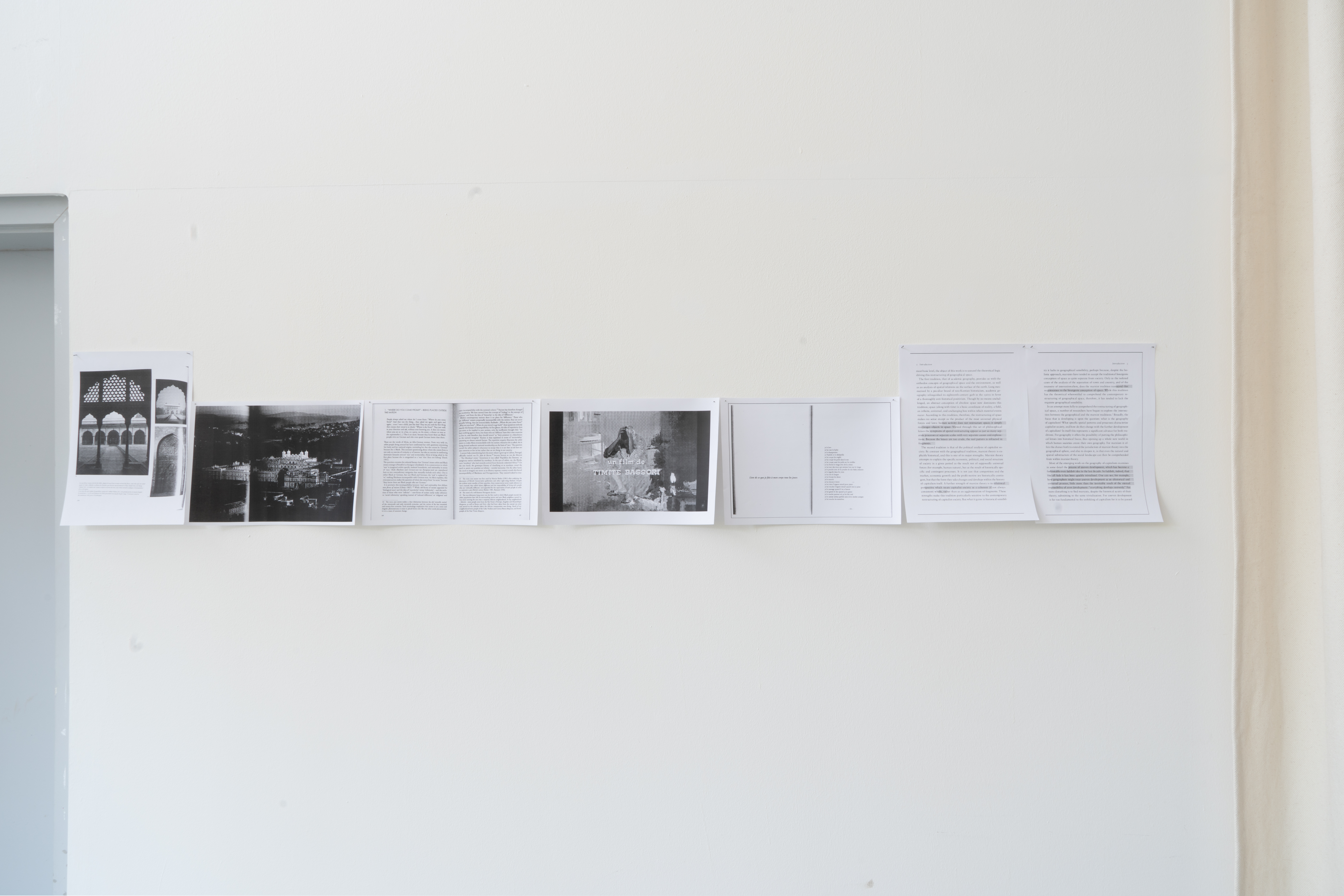
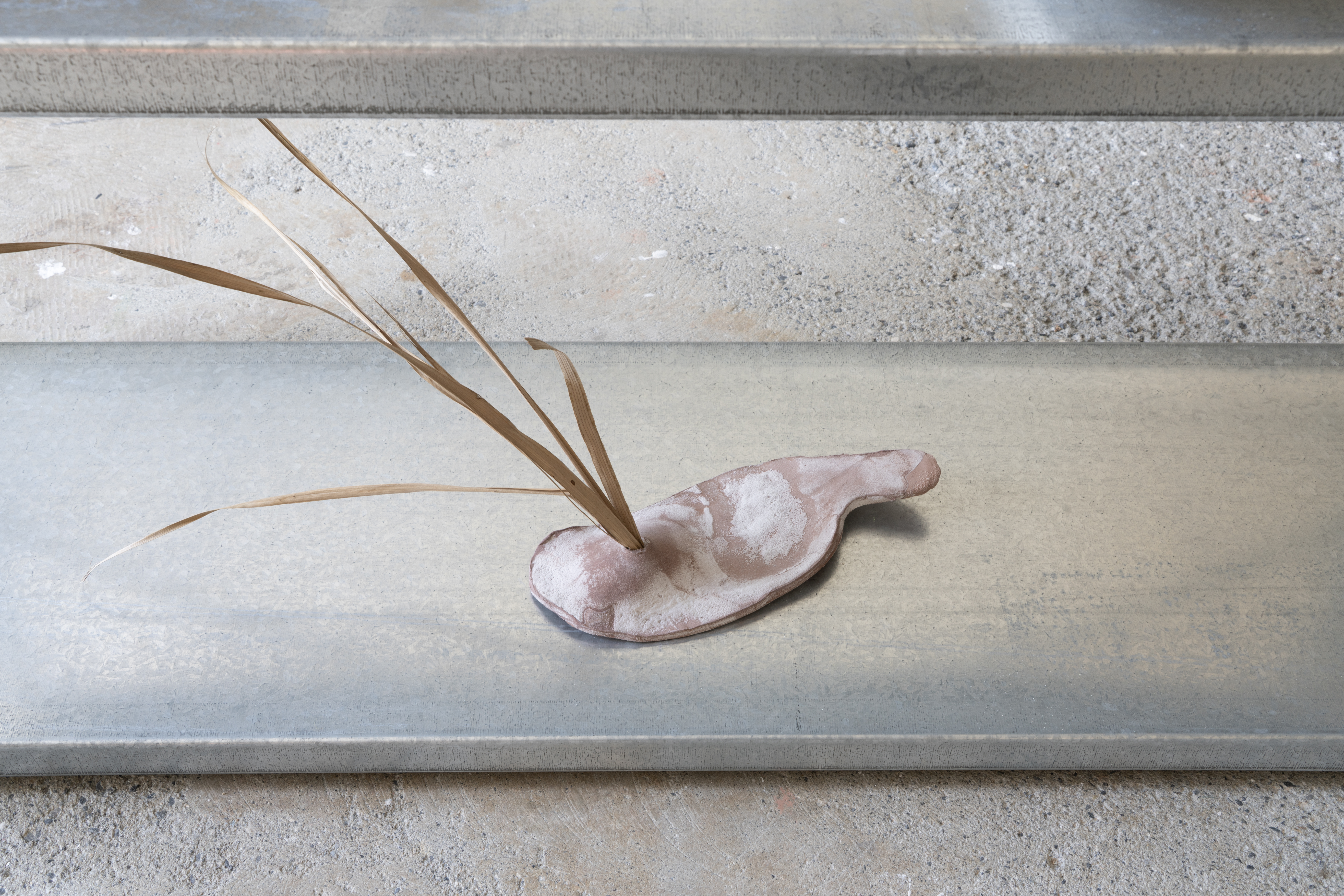
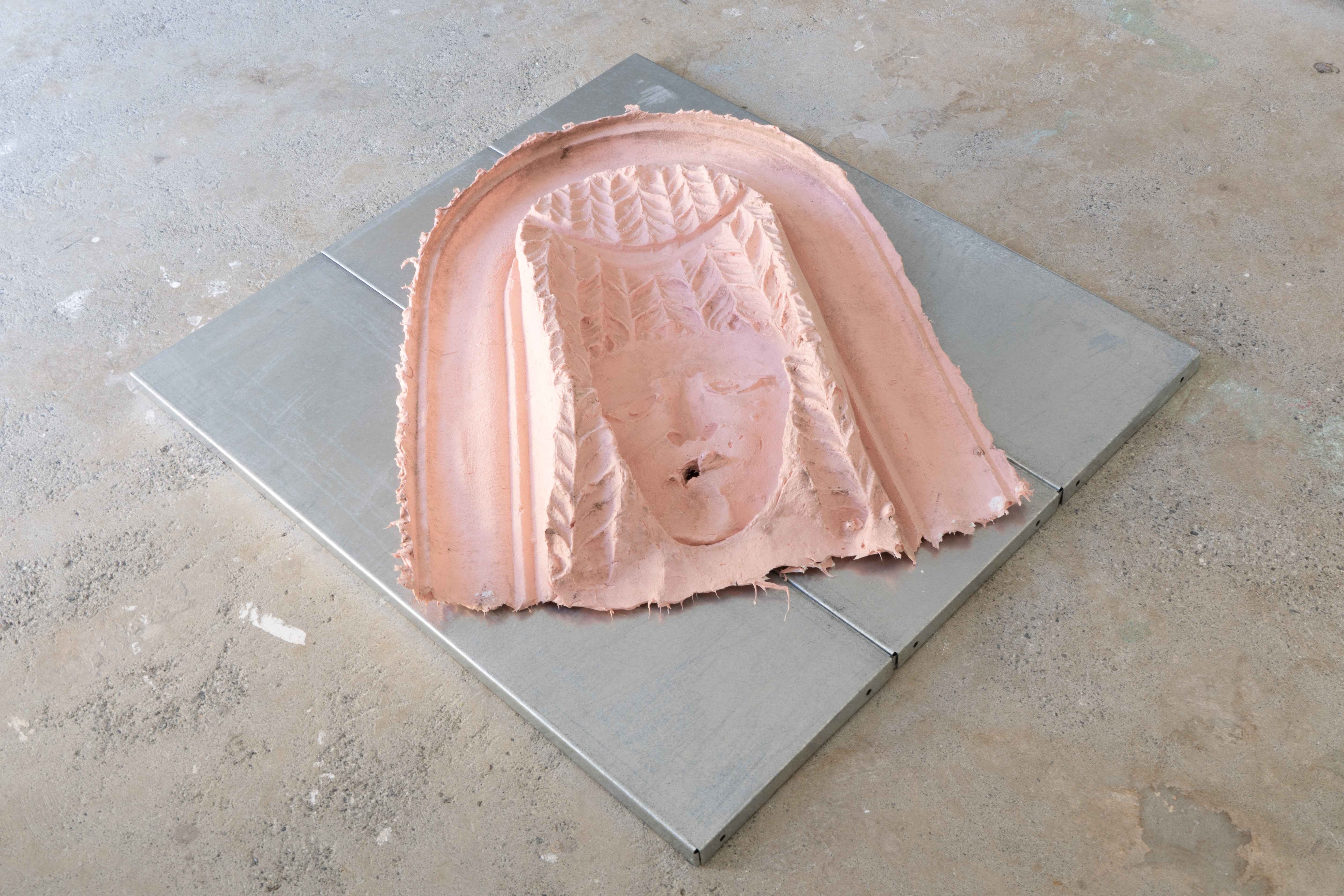
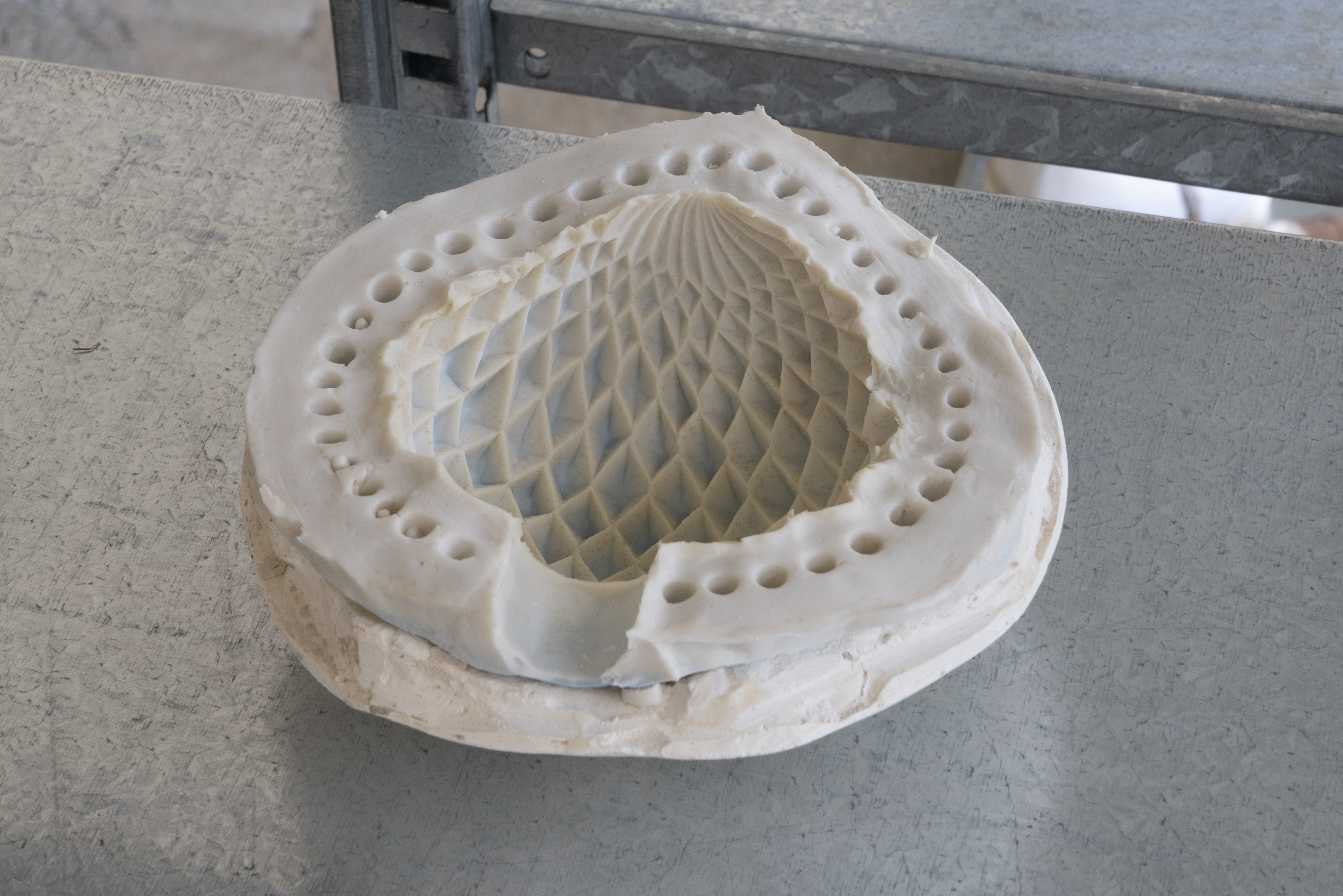
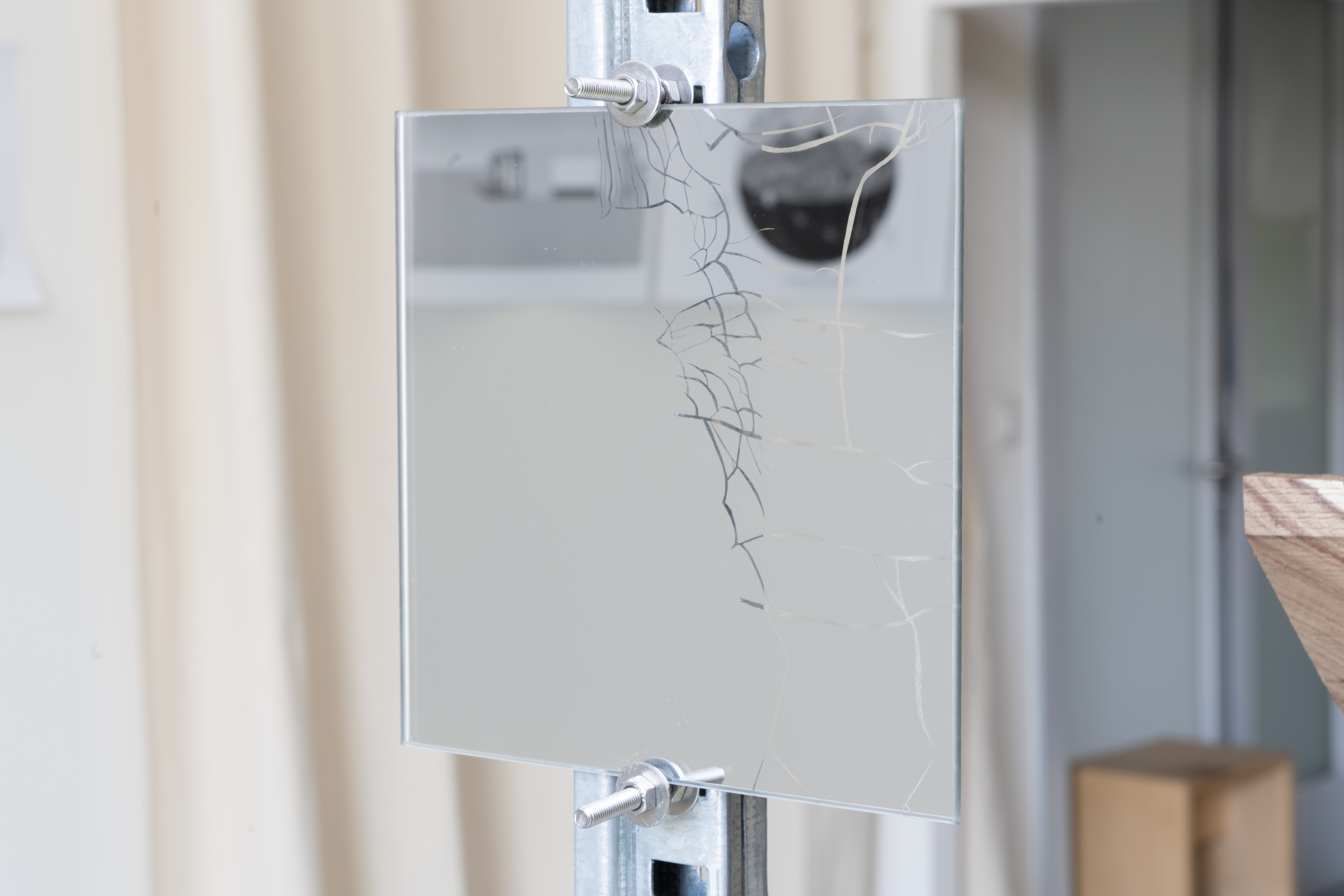
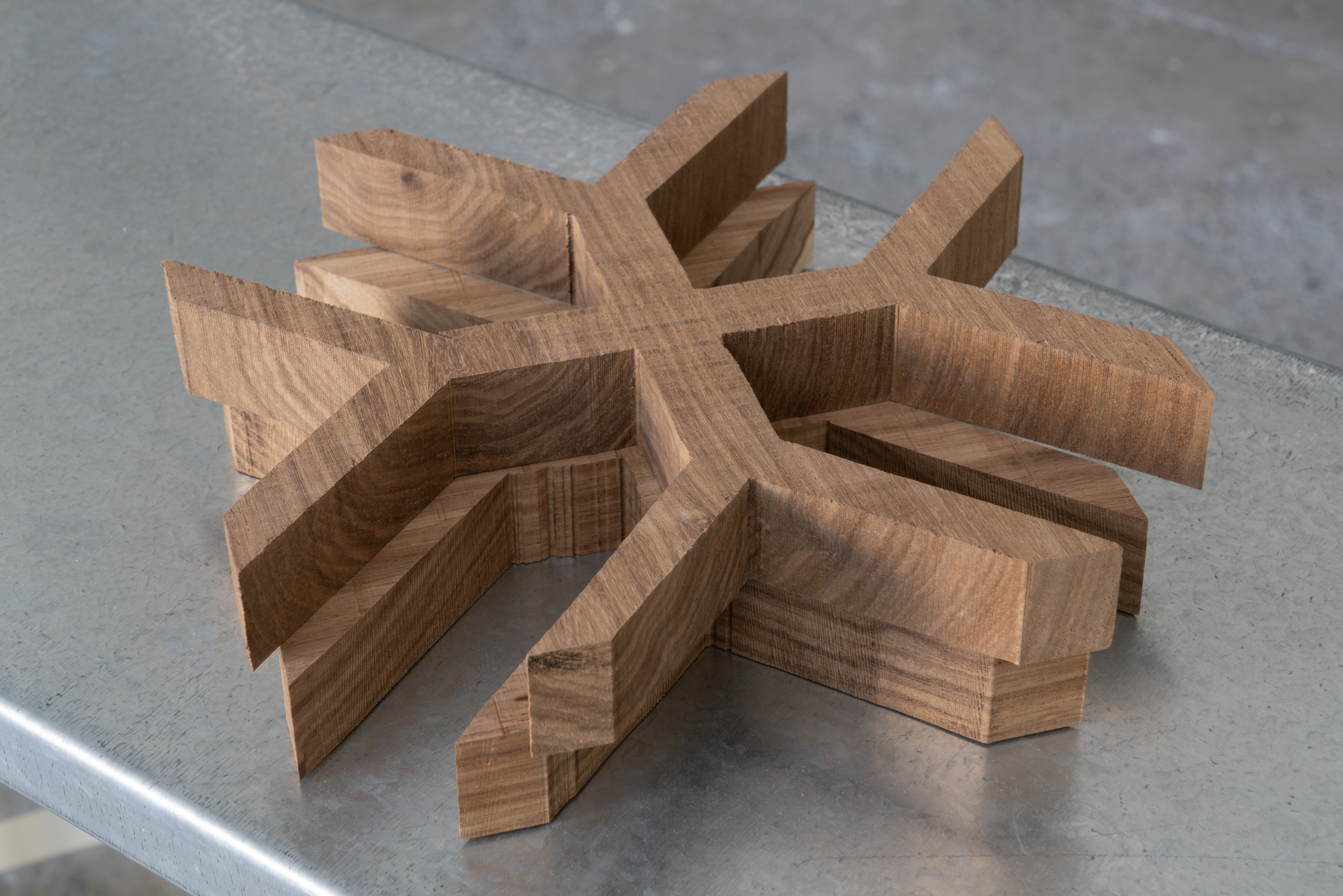

For this edition, the exhibition brings together the practices of Monika Emmanuelle Kazi and Jeanne Tara.
Curated upon invitation of Widefield by Danniel Tostes.
When does the artistic process begin? When does it end? What if the exhibition becomes a place for processes? Can an artist’s archive be a work in itself?
For this exhibition, two Geneva-based artists are invited to open their personal archives: to reveal the notes, sketches, photographs, texts, experiments, and fragments that usually remain hidden in their studios. These materials, collected and displayed, form a portrait of the artistic process: the gestures, hesitations, and ideas that surround the making of an artwork.
By giving visibility to these private materials, the exhibition turns the process into a shared space: a collective gesture that invites the public to understand creation from the inside. It is a way to make artistic work more accessible and contextualized, allowing visitors to follow the movement of thought, the rhythm of research, and the transformation of ideas into form.
As the show unfolds, it challenges our sense of what an exhibition can be. Artworks are not finished objects, but living processes, drafts, trials, and traces of becoming.
When the archive becomes visible, it transforms. The background becomes foreground, what was private becomes public. The archive itself becomes the artwork.
Hosted in spaces that normally serve as artists’ studios, the exhibition opens the door to the most intimate part of creation. The walls hold the breath of unfinished gestures; texts, movies, drawings, diagrams, paintings, authors, notes and messages part of the artists universe.
Between Geneva and Paris, the exhibition builds a dialogue: two studios, two rhythms, one conversation about creation and time. By turning the private archive into a public experience, Archives des Artistes invites us to rethink the exhibition not as a presentation of final works, but as a space for becoming, searching, and transforming. During the show, the archive is not only a record of what has been, but also a promise of what is still possible to be.