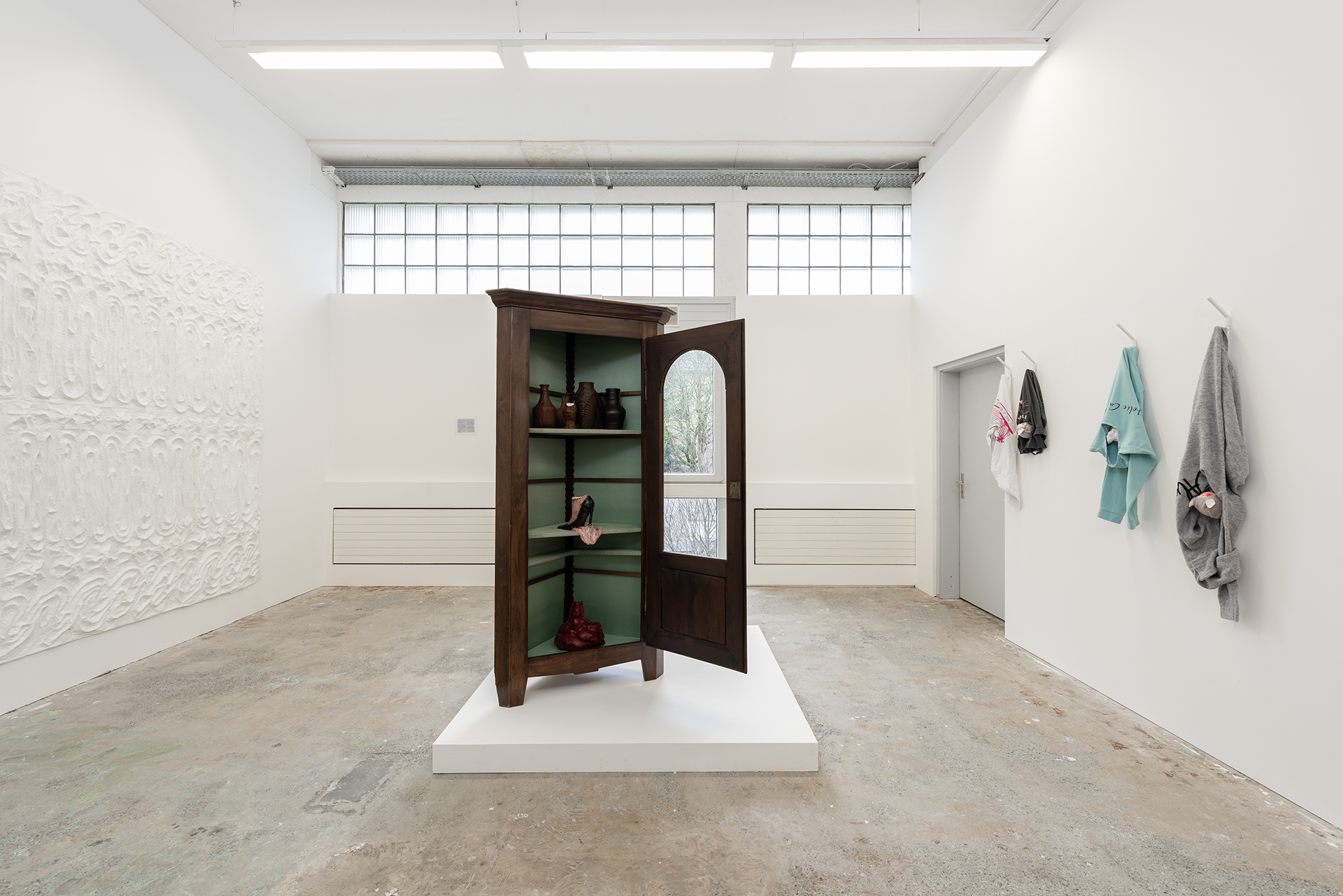
General view – photo: Rémy Ugarte Vallejos
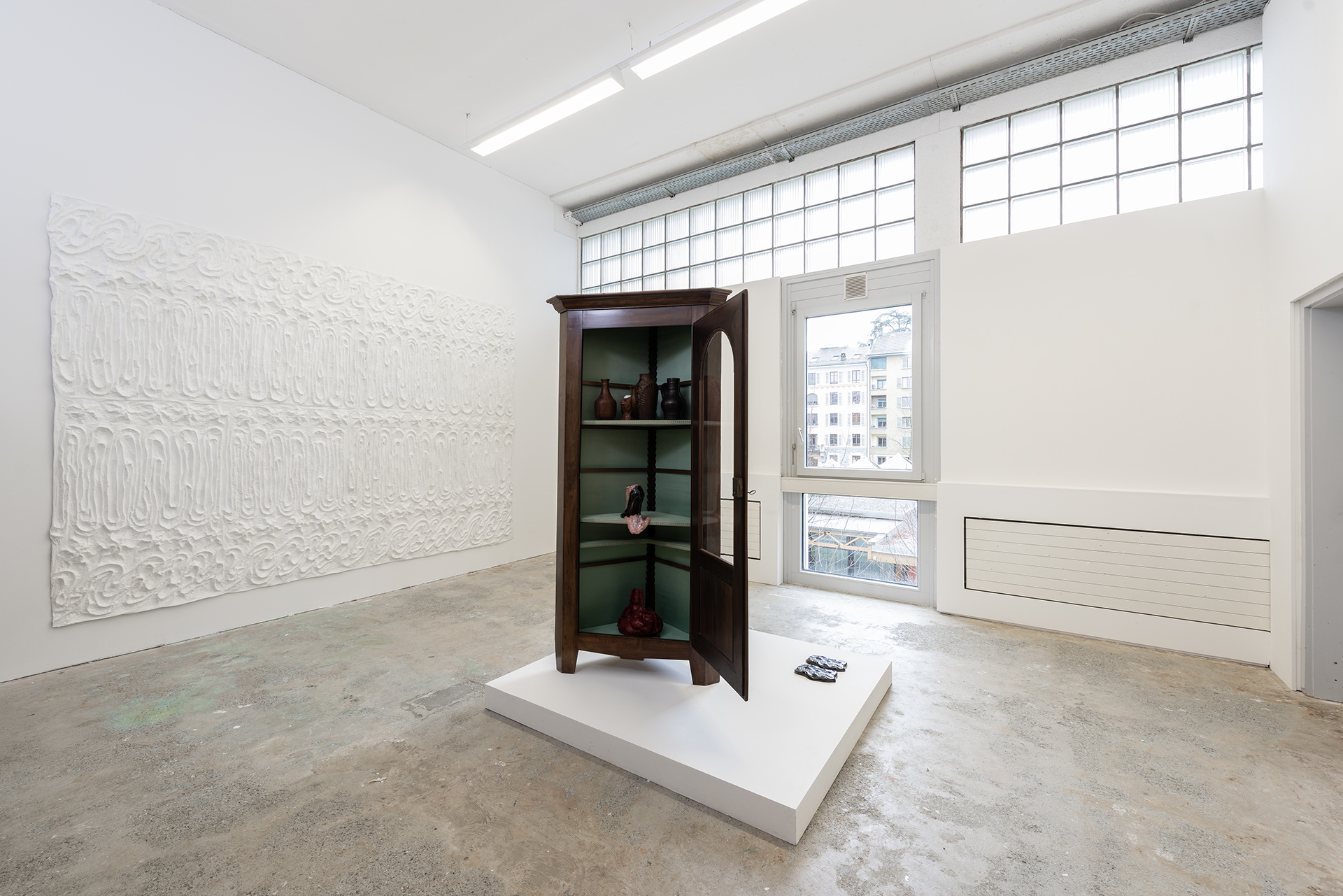
General view – photo: Rémy Ugarte Vallejos

General view – photo: Rémy Ugarte Vallejos

Anita Muçolli, Ghosts of Our Skin, 2025, glazed ceramic – photo: Rémy Ugarte Vallejos

Virginie Sistek, ivre ensemble, 2026, T-shirt, coat rack, varnished Plasticrete acrylic resin, polystyrene, cotton fleece, wool – photo: Rémy Ugarte Vallejos
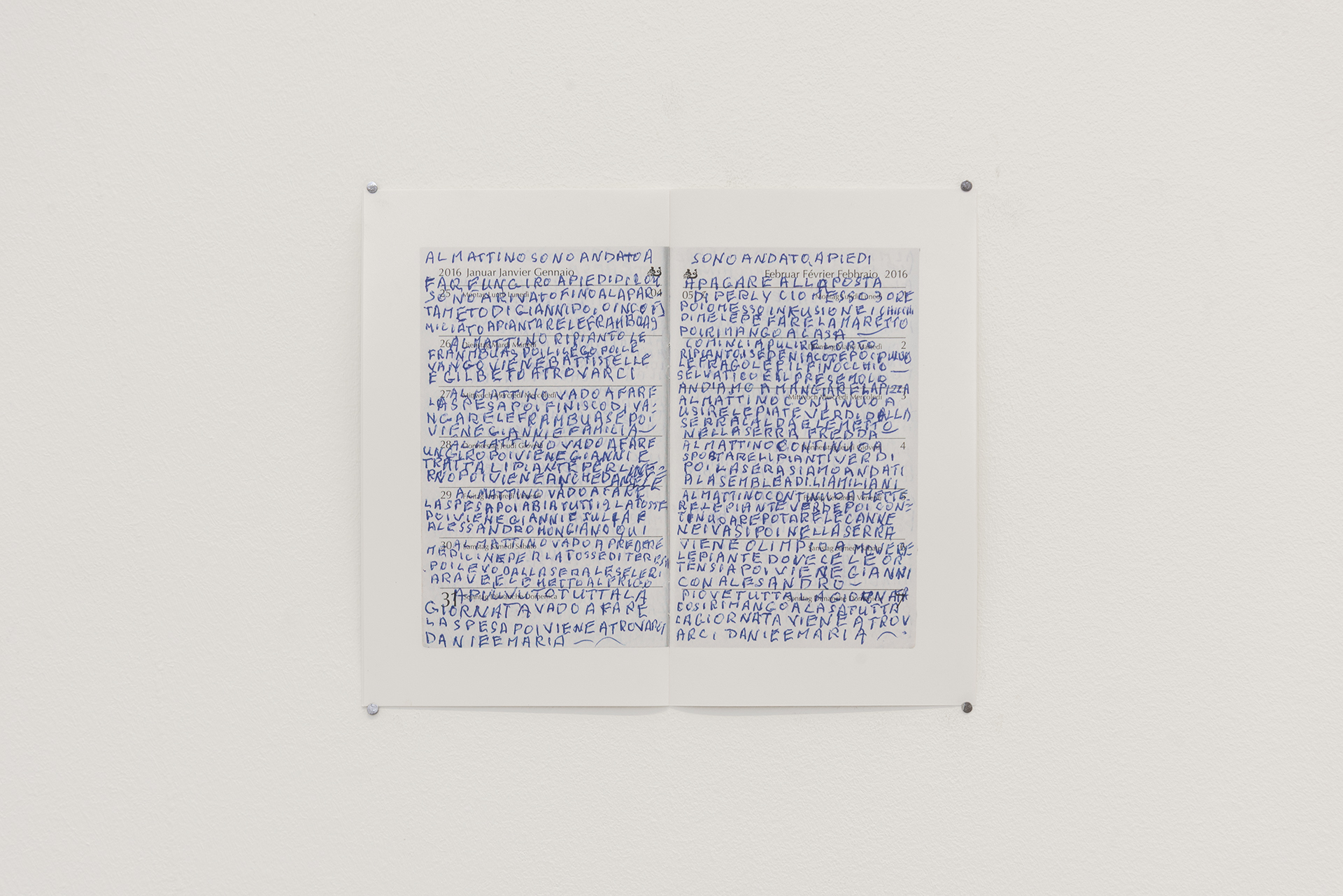
Katia Leonelli, Avvenimenti 2016, Rubes Leonelli, 2026, limited indigo print, 1/8, edition of 8 + 2 AP, edited by Widefield – photo: Rémy Ugarte Vallejos

Virginie Sistek, ivre ensemble, 2026, T-shirt, coat rack, varnished Plasticrete acrylic resin, polystyrene, cotton fleece, wool – photo: Rémy Ugarte Vallejos

Stefania Carlotti, 4.8-star delight, 2025, papier mâché, paint, adhesive tape – photo: Rémy Ugarte Vallejos

Stefania Carlotti, Sans titre, 2026, glazed ceramic – photo: Rémy Ugarte Vallejos

Camille Farrah Buhler, Emotional Anatomy, 2026, ceramic, glass, lamb leather, powder-coated steel, – photo: Rémy Ugarte Vallejos
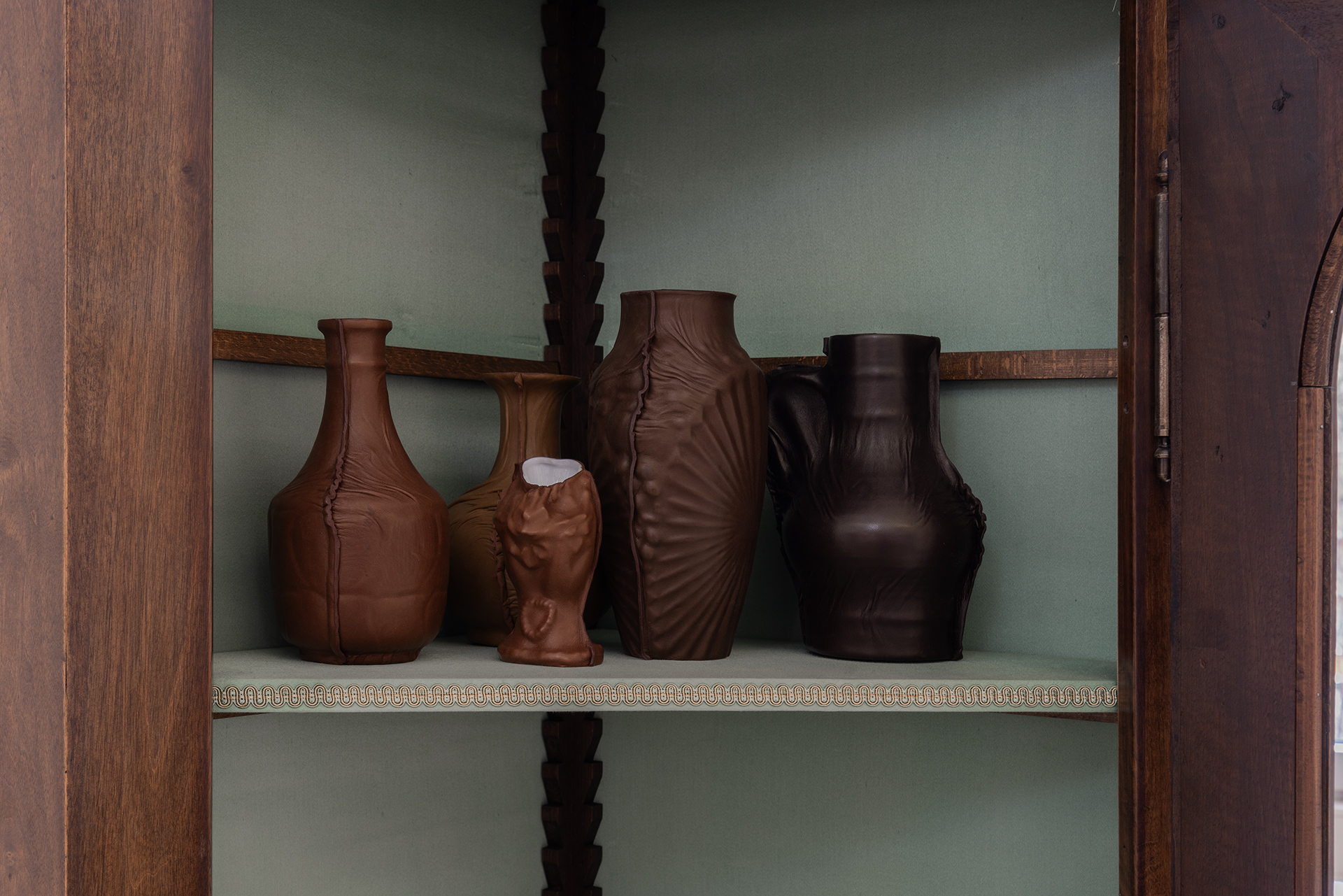
Camille Farrah Buhler, I got hot sauce in my bag, 2021, ceramic, glass, lamb leather, powder-coated steel, – photo: Rémy Ugarte Vallejos
Stocker comme des objets is a curatorial proposal by Widefield presented within Ressources Urbaines, housed in a former post office in Geneva that accommodates projects of a cultural nature. Following the production of several series of artist multiples, this exhibition continues the development of the Widefield. The works presented, characterized by repetition and seriality, resonate with previous editions of the project.
For this exhibition, we present the work of five artists. Their respective practices unfold through sculpture and text, along axes and lines of research organized around varied themes, all of which interrogate our relationship to everyday life—whether through the object itself or the ritual associated with it. The question of the use of objects can be perceived as an underlying thread running through their production, as much through elements of science fiction drawn from other realities as through relationships to the found object, cherished, or fetishized.
The title of the exhibition is drawn from a sentence on page 194 of Annie Ernaux’s book Les Années. In this narrative, the narrator revisits her world, her France, and her Europe. She evokes the taboo of sex in adolescence and unwanted pregnancy, then the stages of adulthood: marriage, work, settling into family life, routine, and the role of women within this framework. In parallel, she describes a form of consumption that gradually accelerates, for herself as for everyone. A new, increasingly frantic race toward progress and comfort, from which it seems impossible to escape: dishes, clothes, finances, leisure, travel, free time. But also: writing.
This creative impulse—this tenuous thread that sometimes threatens to be lost—constitutes the second core of the book. Desire is at times buried; episodically it yields to the tasks of everyday life. But it never disappears, a figure concealed deep within the mind, ready to resurface. The narrative makes us relive, alongside the protagonist, the major events of the twentieth century as they pass through her body.
This novel, which approaches major questions through the lens of the everyday, resonates with the inquiries that led to this exhibition project. What would an archaeology of the present be? In a world reshaped by their omnipresence, what traces will our objects leave behind? Once stored away, are they rendered mute? Ursula Le Guin proposes in her essay The Carrier Bag Theory of Fiction that the first object made by our species would have been a container—a bag, a bottle, or a net. A kind of external stomach allowing for gathering and holding. For Le Guin, it alone would have preceded narrative, an appendage extending from the esophagus, retaining invisible content perceptible only through its activation and its sharing.
For the exhibition, works—mostly pre-existing—are presented within the space. Placed inside a cabinet found in a second-hand shop, resting on a white plinth, they are staged as much as they are displayed. This “grandmother’s” cabinet offers itself as a possibility for beginning to tell a story. The door opens, and on the shelves the objects speak of fantasies, representations, the birth of the first object, the fear of death and its transcendence. They are talismans, desires, obsessions, and surely a refusal to give in to everydayness—even as they recount it.
The curators
Jean-Marie Fahy and Matheline Marmy